


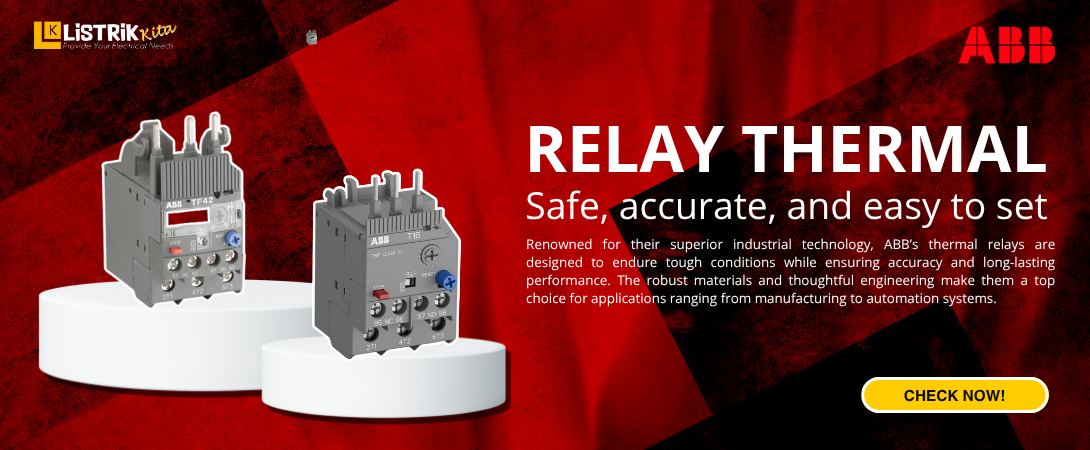
Thermal overload relays are protective devices designed specifically to safeguard electric motors from damage due to excessive current or overheating. A frequent cause of motor failure is sustained overcurrent, which increases the temperature inside the motor windings. If not addressed promptly, this can result in permanent damage to the motor or even cause a fire. This is where thermal overload relays—such as those manufactured by ABB—play a crucial role.
These relays monitor the temperature increase caused by excessive current flowing through the motor. When the temperature exceeds a pre-set limit, the relay cuts off the electrical supply to prevent further damage. ABB's thermal relays are widely trusted in the industry for their reliability and precision in protecting motors from overload risks.
Main Functions of ABB Thermal Overload Relays
ABB thermal overload relays serve several important purposes:
-
Protect motors from overload: The relay disconnects the power when the current exceeds a certain limit, preventing overheating.
-
Extend motor lifespan: By keeping the motor operating within a safe temperature range, the relay helps prolong its service life.
-
Prevent equipment damage and fire hazards: Early detection of overcurrent reduces the risk of system failures and workplace accidents.
How ABB Thermal Overload Relays Work
Working Principle of Thermal Overload Relays
The working principle is based on the thermal expansion of metals. The relay contains a bimetallic strip formed by bonding two distinct metals. When electric current passes through the relay, this bimetallic strip heats up. When electric current passes through the relay, the bimetallic strip becomes heated. If the current surpasses safe levels, the heat causes the strip to bend.
This bending movement triggers the disconnect mechanism, which opens the circuit and stops the flow of electricity to the motor. Once the relay cools down and the condition stabilizes, it can be reset either manually or automatically, depending on the specific ABB model.
Key Components and Protection Mechanism
ABB thermal relays include several critical parts:
-
Bimetal element: Reacts to heat and triggers the disconnection process.
-
Normally closed contacts: Open when overheating is detected to cut off the circuit.
-
Reset button: Used to restart the relay following a trip.
-
Trip indicator: Displays when the relay has been triggered because of an overload.
Proper Installation and Usage Guide
To ensure optimal performance, follow these tips when installing an ABB thermal relay:
-
Install after the contactor: The relay should be placed on the load side of the contactor.
-
Correct wiring and direction: Make sure the connections follow ABB’s installation guidelines.
-
Precise current setting: Use a small screwdriver to adjust the relay’s current dial accurately.
-
Ensure proper ventilation: Good airflow prevents false trips due to external heat.
Advantages of ABB Thermal Overload Relays
Build Quality and Reliability
Renowned for their superior industrial technology, ABB’s thermal relays are designed to endure tough conditions while ensuring accuracy and long-lasting performance. The robust materials and thoughtful engineering make them a top choice for applications ranging from manufacturing to automation systems.
Additional Features and User Convenience
Notable benefits of ABB thermal relays include:
-
Visual trip indicators for quick issue identification.
-
Manual or automatic reset options to suit operational needs.
-
Flexible current adjustment for various motor capacities.
-
Modular design that integrates easily with ABB contactors.
Applications of ABB Thermal Overload Relays
Use Case in Manufacturing Industries
In the manufacturing sector, electric motors power equipment like conveyors, pumps, and CNC machines. ABB thermal relays safeguard these motors against overloads resulting from mechanical blockages or abrupt increases in current. As a result, production runs more smoothly and downtime due to motor failures is significantly reduced.
Relay vs. Other Electrical Protection Devices
While circuit breakers and fuses are also used to protect electrical systems, they are mainly designed for short-circuit protection. Thermal relays, conversely, are designed to identify sustained overcurrent conditions (overload). Hence, they function as complementary devices instead of replacements.
Maintenance and Troubleshooting for ABB Thermal Relays
Routine Maintenance Tips
To ensure your relay continues to perform reliably:
-
Visual inspections: Look for signs of burning, deterioration, or rust.
-
Functional testing: Simulate overload conditions to ensure the relay still trips correctly.
-
Keep it clean: Use a soft brush or blower to remove dust and debris.
Common Issues and How to Solve Them
-
False tripping: Often caused by a setting that’s too low—adjust the current setting as needed.
-
Relay won’t reset: Wait for the bimetal element to cool down before attempting to reset.
-
Failure to trip during overload: Check for jammed contacts or a malfunctioning bimetal element.
By understanding how ABB thermal overload relays work and how to maintain them, industrial users can greatly improve motor protection and operational efficiency. ABB provides reliable, user-friendly solutions that fit a wide range of modern electrical systems.
Get your ABB thermal overload relay now at Listrik Kita!
