


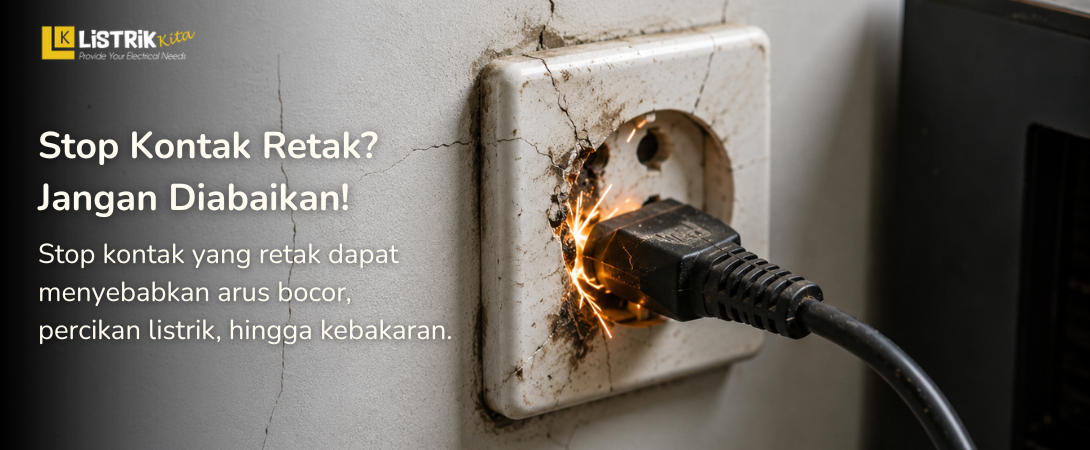
Electrical outlets are used every day in homes, offices, and commercial buildings. Because they are part of daily life, many people overlook their condition. A cracked outlet may seem like a minor cosmetic issue, but it can create serious electrical hazards if left unrepaired.
Many people continue using a cracked outlet simply because it still supplies power. However, visible damage on the outside may indicate that the internal components have also started to wear out. Over time, this can increase the risk of electric shock, short circuits, and even electrical fires.
Why a Cracked Electrical Outlet Should Never Be Ignored
What Causes an Electrical Outlet to Crack
Electrical outlets can crack for many reasons. Aging materials, accidental impacts, poor quality plastic, or repeatedly pulling plugs out incorrectly are among the most common causes. Heat, sunlight, humidity, and changing temperatures can also weaken the outlet housing over time.
Signs Your Electrical Outlet Is No Longer Safe to Use
Besides visible cracks, there are several warning signs to watch for. A loose cover plate, discoloration caused by heat, buzzing sounds, or plugs that no longer fit securely can all indicate that the outlet should be replaced as soon as possible.
Why Small Damage Can Lead to Bigger Problems
Even a tiny crack can allow dust, moisture, and dirt to enter the outlet. These contaminants may affect the electrical components inside and increase the chance of electrical failure. Ignoring small damage today can lead to much bigger problems later.
The Risk of Electric Shock from a Cracked Outlet
How Cracks Expose Energized Parts
The outlet housing is designed to protect users from touching energized components. When the housing cracks, that protection becomes weaker. Under certain conditions, live parts may become easier to reach, increasing the risk of accidental electric shock.
Conditions That Increase the Risk of Electric Shock
The danger becomes greater when a cracked outlet is installed in damp areas such as kitchens, bathrooms, or outdoor spaces. Wet hands, moisture, and damaged power cords can further increase the chance of electrical injury.
How to Prevent Electric Shock
Inspect your electrical outlets regularly, especially if they have been in service for many years. If you notice cracks or other signs of damage, replace the outlet immediately instead of waiting for it to fail.
Short Circuit Risks Caused by a Cracked Outlet
Why Cracks Can Affect Electrical Connections
A damaged outlet may no longer hold its internal components firmly in place. Loose electrical connections can create unstable current flow, which may lead to electrical arcing and short circuits.
Dust and Moisture Can Make Things Worse
Dust accumulation inside an outlet reduces insulation performance. When combined with moisture, the possibility of a short circuit becomes much higher. This is why cracked outlets should never be used in wet or dusty environments.
Signs of a Potential Short Circuit
Warning signs include a burning plastic smell, sparks when plugging in an appliance, excessive heat around the outlet, or frequent power interruptions. If any of these symptoms appear, stop using the outlet immediately and replace it.
Fire Hazards Caused by a Cracked Outlet
Electrical Arcing Can Generate Excessive Heat
Loose electrical connections caused by physical damage can generate excessive heat. Continuous overheating may eventually damage nearby materials and increase the possibility of a fire.
The Connection Between Short Circuits and Fires
Many electrical fires begin with a short circuit that goes unnoticed. Repeated electrical arcing can ignite nearby combustible materials. Replacing a cracked outlet is a simple preventive step that helps improve electrical safety.
High Power Appliances Increase the Risk
Appliances such as microwaves, electric ovens, water heaters, air conditioners, and dispensers require stable electrical connections. Using these appliances with a cracked outlet can increase overheating and accelerate outlet failure.
When Should You Replace a Cracked Outlet?
Damage That Requires Immediate Replacement
If the crack is large, internal parts become visible, the outlet feels loose, or the housing has become deformed from heat, the outlet should be replaced immediately.
Do Not Wait Until It Stops Working
An outlet that still provides electricity is not necessarily safe. Replacing damaged outlets before they completely fail is a smarter and safer maintenance practice.
Choose a High Quality Electrical Outlet
Always select electrical outlets made from durable materials and manufactured by trusted brands. High quality products provide better durability and improved electrical safety.
Tips for Using Electrical Outlets Safely
Avoid Overloading One Outlet
Do not connect too many high power appliances to a single outlet, as this may generate excessive heat.
Inspect Outlets Regularly
Check outlets for cracks, discoloration, looseness, or burning odors. Replace damaged outlets immediately.
Use Reliable and High Quality Products
Choosing a quality electrical outlet is a long term investment in safety. Well-made products offer better durability and more reliable protection for everyday use.
If you need to replace a damaged electrical outlet or upgrade your electrical installation, explore the wide selection of high quality electrical outlets available at Listrik Kita. We provide reliable products from trusted brands to help keep your home, office, and industrial electrical systems safe and dependable.
