


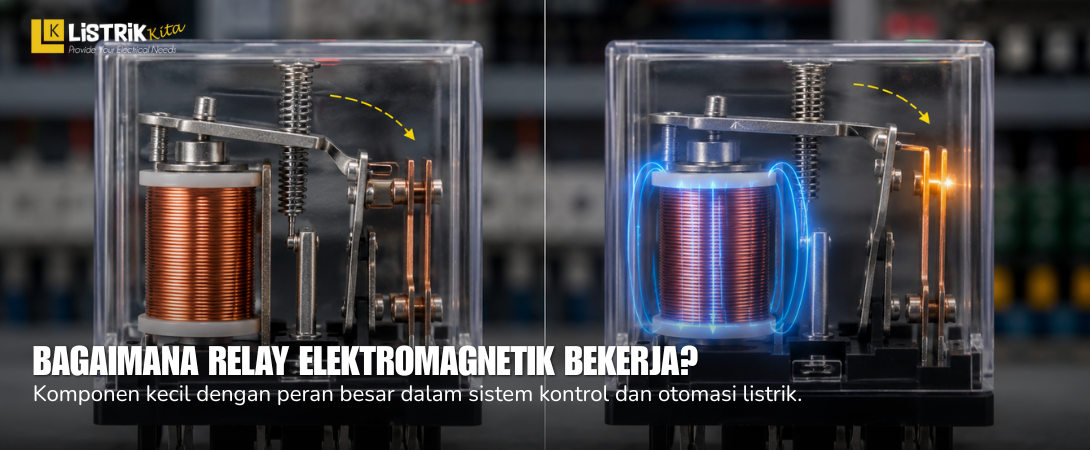
An electromagnetic relay is one of the most important components in electrical systems. It acts as an automatic switch that controls the flow of electricity without requiring manual operation. Relays are widely used in electrical panels, industrial machines, automation systems, vehicles, and many electronic devices.
Although a relay is relatively small, it plays a significant role in improving safety and controlling electrical circuits efficiently. Understanding how a relay works can help you choose the right relay for your application and maintain a reliable electrical system.
What Is an Electromagnetic Relay?
An electromagnetic relay is a switching device that uses a coil to generate a magnetic field. When electrical current flows through the coil, the magnetic force moves a mechanical arm, causing the relay contacts to change position. This movement either completes or interrupts an electrical circuit.
One of the biggest advantages of an electromagnetic relay is its ability to control a high power circuit using a much smaller electrical signal. This makes relays a reliable and practical solution for many electrical applications.
Main Components of an Electromagnetic Relay
Before learning how a relay operates, it is helpful to understand its main components.
Coil
The coil receives electrical voltage and generates a magnetic field when current flows through it. This magnetic field provides the force needed to operate the relay.
Iron Core
The iron core strengthens the magnetic field created by the coil, allowing the relay to operate more effectively.
Armature
The armature is the movable metal part that is pulled toward the iron core by the magnetic field. Its movement changes the position of the relay contacts.
NO and NC Contacts
Most relays include Normally Open (NO) and Normally Closed (NC) contacts. The NO contact closes when the relay is energized, while the NC contact opens during operation.
Return Spring
The return spring moves the armature back to its original position after power is removed from the coil.
Step by Step Process of How an Electromagnetic Relay Works
Sending an Electrical Signal to the Coil
The process begins when the relay coil receives the correct input voltage. The electrical current flowing through the coil activates the relay. Using the correct voltage is important because it ensures reliable operation and prevents damage to the component.
Creating a Magnetic Field
As current passes through the coil, a magnetic field is generated. The iron core strengthens this magnetic field, creating enough force to move the armature. A stable power supply helps the relay operate consistently.
Pulling the Armature
The magnetic field attracts the armature toward the iron core. This mechanical movement is the key action that allows the relay to switch electrical contacts. The armature remains in this position as long as the coil continues to receive power.
Switching the Contacts
When the armature moves, the relay contacts also change position. The Normally Open (NO) contact closes, allowing current to flow to the connected load. At the same time, the Normally Closed (NC) contact opens, interrupting the original circuit. This switching action enables the relay to control electrical equipment automatically.
Returning to the Original Position
When power to the coil is removed, the magnetic field disappears. The return spring pushes the armature back to its original position, and the relay contacts return to their default state. This process happens very quickly, allowing relays to perform repeated switching operations efficiently.
Factors That Affect Relay Performance
Several factors influence the performance and lifespan of an electromagnetic relay. The coil must receive the correct operating voltage for reliable performance. Clean relay contacts are also important because dirt or oxidation can reduce electrical conductivity. In addition, frequent switching over long periods may gradually wear out the relay's mechanical components.
An electromagnetic relay operates through a simple but effective process. It starts with an electrical signal entering the coil, followed by the creation of a magnetic field, movement of the armature, switching of the contacts, and finally returning to its original position when power is removed. This reliable operating principle makes electromagnetic relays an essential component in modern electrical and automation systems.
If you are looking for high quality relays for electrical panels, industrial automation, or other electrical applications, explore the complete range of relay products at Listrik Kita. Visit Listrikkita.com to find genuine products, competitive prices, and expert assistance to help you choose the right relay for your project.
