


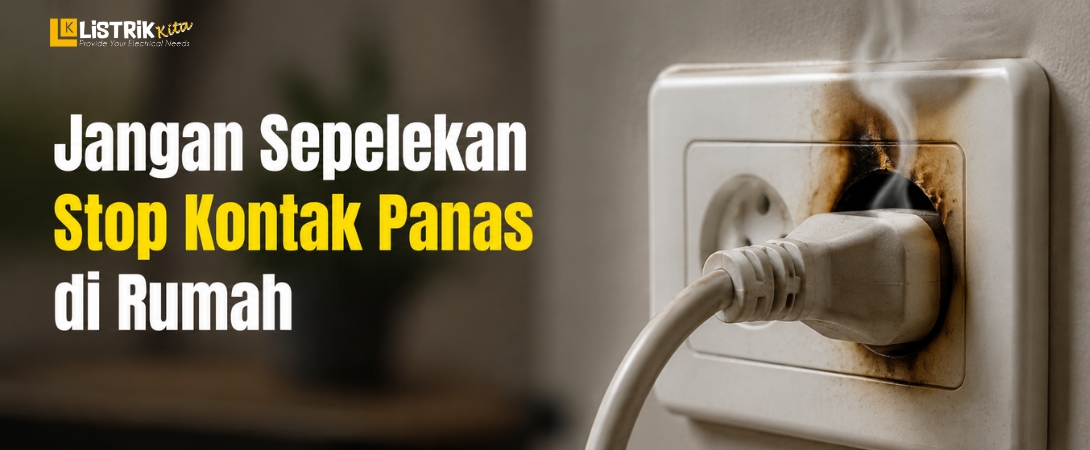
Electrical outlets are among the most frequently used electrical components in homes, offices, and businesses. Almost every day, outlets are used to connect different devices, from phone chargers and televisions to computers and high-power appliances. But what happens when you touch an outlet and notice that it feels hot? If it becomes unusually hot, especially when accompanied by a burning smell, discoloration, or sparks, it should not be ignored.
A hot electrical outlet can be a sign of an electrical problem. If the issue is left unattended, continuous overheating may damage the outlet, wiring, and surrounding components. In more serious cases, it can increase the risk of an electrical fire.
Why Should You Never Ignore a Hot Electrical Outlet?
An outlet that becomes excessively hot indicates that too much electrical energy may be turning into heat. This can happen because of an overloaded circuit, a poor connection, or damaged components.
A Hot Outlet Can Indicate an Electrical Problem
Under normal conditions, an electrical outlet should not become excessively hot during regular use. If it repeatedly feels hot, find out what is causing the problem. Something as simple as connecting too many devices can develop into a more serious electrical issue.
Fire Risk from an Overheated Outlet
Excessive heat can damage the plastic housing and terminals inside an outlet. If the overheating continues, nearby materials may become damaged or even catch fire. This is why a hot outlet should be checked as soon as possible, especially when there is a burning smell or visible scorch marks.
When Should a Hot Outlet Be Checked Immediately?
Stop using the outlet if it becomes extremely hot, smells burnt, changes color, melts, sparks, or causes frequent power interruptions. Do not attempt to repair the internal components yourself unless you have the proper electrical knowledge and experience.
Common Causes of a Hot Electrical Outlet
Several conditions can cause an outlet to produce excessive heat. Understanding these causes can help prevent bigger electrical problems.
Overload
One of the most common causes is an electrical load that exceeds the capacity of the outlet or circuit. Connecting too many devices through extension boards or adapters can cause excessive current to flow through the circuit.
High-power appliances also need special attention. Avoid connecting multiple high-power devices to the same outlet at the same time.
Loose Connections
A loose wire connection can increase resistance at the connection point. As current flows through it, the connection may generate excessive heat.
Loose connections can also create small electrical arcs and make the condition worse. For this reason, electrical connections should always be properly secured.
Poor-Quality Outlet Components
The quality of the electrical components also affects safety. Outlets with poor materials or weak terminals may heat up more easily, particularly when they are used for long periods or under heavy loads.
Choose electrical components that match the installation requirements and offer reliable quality.
Damaged Wiring
Damaged, pinched, overheated, or exposed wires can also contribute to an overheating outlet. Wiring that is not suitable for the electrical load may increase the risk of excessive heat.
Regularly check the condition of electrical wiring, especially in older installations.
Signs That an Electrical Outlet Has a Problem
Heat is not the only warning sign. There are several other symptoms you should watch for.
The Outlet Feels Hot
If the surface of an outlet feels much hotter than usual, stop using it and check for the possible cause.
There Is a Burning Smell
A smell similar to burning plastic is a serious warning sign. Turn off the power and avoid using the outlet until it has been properly inspected.
The Outlet Changes Color or Melts
Brown or black discoloration, melted plastic, or scorch marks can indicate excessive heat or damaged components.
Sparks Appear When Plugging In a Device
Unusual sparks may indicate a problem with the connection or outlet. Do not continue using the outlet if this happens.
Devices Lose Power or the Circuit Trips Frequently
If connected devices frequently turn off or the circuit breaker trips repeatedly, there may be a problem with the electrical load or circuit that needs professional inspection.
How to Deal with a Hot Electrical Outlet
If you find a hot outlet, do not simply continue using it. Take the following steps to reduce the risk.
Turn Off the Power First
The first step is to turn off the electrical supply to the affected circuit before checking the outlet. Safety should always come first.
Unplug All Connected Devices
Once the power is safely turned off, disconnect the devices from the outlet. This helps reduce the electrical load and prevents further damage.
Avoid Connecting Too Many Plugs
Do not connect too many devices to one outlet using multiple extension boards or adapters. Distribute electrical loads according to the capacity of the circuit.
Inspect and Replace Damaged Components
Damaged outlets, terminals, or wires should be replaced. Do not continue using components that show signs of burning, melting, or physical damage.
Call an Electrician If the Problem Continues
If the outlet remains hot after reducing the load, or if you cannot identify the source of the problem, contact a qualified electrician. A professional inspection can help identify problems that may not be visible from the outside.
How to Prevent an Electrical Outlet from Overheating
Prevention is better than dealing with damage later. Use electrical outlets according to their capacity and avoid connecting too many devices to the same point. Regularly inspect the condition of wires, plugs, and extension boards.
It is also important to choose reliable electrical components that match your installation requirements. Never continue using an outlet that is cracked, burnt, loose, or melted. These simple habits can help keep an electrical installation safer.
Do Not Ignore a Hot Electrical Outlet
A hot electrical outlet should not be treated as a minor issue, especially when the heat keeps returning or is accompanied by a burning smell, sparks, or discoloration. Stop using the outlet, turn off the power, and have the components checked to reduce the risk of more serious problems.
For electrical installation needs at home, in the office, or at your business, choose outlets that match your requirements and offer reliable quality. Explore the range of electrical outlets available at Listrik Kita for a practical solution to your electrical needs.
