


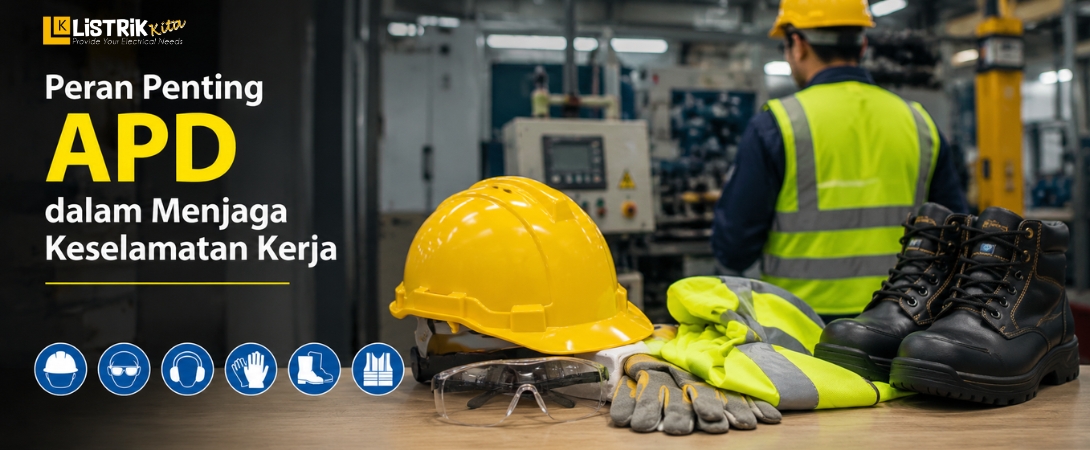
Workplace safety should never be overlooked, especially in environments where workers face different types of hazards. Construction sites, factories, warehouses, electrical projects, and chemical industries may expose workers to risks such as impacts, falling objects, hazardous materials, dust, and falls from height. One important way to reduce these risks is by using Personal Protective Equipment, or PPE, based on the type of work.
PPE is not simply equipment used to meet workplace safety requirements. It is designed to provide an additional layer of protection when workers are exposed to potential hazards. Proper PPE use should also be supported by safe work procedures and a good understanding of workplace risks.
Why Is PPE Important for Workplace Safety?
PPE acts as one layer of protection when workers face hazards that cannot be completely removed from the workplace. The type of PPE needed can vary depending on the activity and possible risks.
PPE as Protection for Workers
Safety helmets, safety glasses, gloves, safety shoes, masks, and fall protection equipment all have different functions. Using the right equipment can help reduce the impact of an accident if an incident occurs during work.
Reducing the Risk of Workplace Injuries
Workplace accidents can come from many sources. Falling objects, material splashes, slippery surfaces, and dust can all create hazards. For this reason, PPE should be selected based on the risks present in the work area.
The Important Role of PPE in Protecting Workers
PPE protects specific parts of the body according to its design and purpose. Here are some of the main ways PPE supports workplace safety.
Protecting the Body from Physical Injuries
Physical injuries can result from impacts, sharp objects, falling materials, splashes, and other workplace conditions. PPE such as safety helmets, gloves, safety shoes, and eye protection can help protect vulnerable parts of the body.
Safety glasses, for example, can help protect the eyes from dust, material fragments, and certain splashes. Safety shoes can also help protect the feet from impacts and other hazards that may occur during work.
Preventing Exposure to Hazardous Chemicals
Some workplaces involve chemicals that may cause irritation or harm when they come into direct contact with the body. In these situations, using the right PPE is very important.
Specialized gloves, goggles, face shields, protective clothing, and other equipment can be selected based on the characteristics of the chemicals being handled. PPE selection should consider the type of chemical and its level of risk.
Filtering the Air We Breathe
The air in a workplace is not always free from substances that may affect health. Dust, smoke, vapors, and certain particles can be produced during manufacturing, material cutting, welding, and other activities.
Suitable masks or respirators can help filter certain contaminants before they enter the respiratory system. Respiratory protection should be selected based on the workplace conditions and the type of contaminants that may be present.
Preventing Falls from Height
Working at height involves different risks and requires specific protection. Workers performing tasks at elevated locations may use full body harnesses, lanyards, and other fall protection equipment according to safety procedures.
This equipment should be used together with proper inspections and safe work procedures. Fall protection equipment should never be used carelessly because incorrect use can reduce its effectiveness.
PPE Provides a Greater Sense of Safety at Work
Besides physical protection, proper PPE use can also help create a safer working environment. Workers who understand the risks and use the right equipment can perform their tasks with greater confidence.
Improving Worker Confidence
A sense of safety can help workers stay focused on their tasks. When the protection matches the risks involved, workers can feel better prepared for situations that may occur during their activities.
Helping Improve Productivity
Safety and productivity are closely connected. A safer workplace can help reduce disruptions caused by accidents and allow work activities to run more smoothly.
However, PPE does not mean workers are completely free from accidents. PPE should be part of a broader workplace safety system that includes hazard identification, safe work procedures, training, and supervision.
Choosing PPE Based on the Type of Work and Risk
Not every type of PPE is suitable for every activity. Selection should consider the type of work, potential hazards, workplace conditions, and comfort during use.
Identify Potential Hazards in the Workplace
The first step is to understand the risks that may occur. Are workers exposed to dust, splashes, falling objects, chemicals, slippery surfaces, or other hazards? The answers will help determine which PPE is needed.
Use the Right Size and Specifications
PPE that is too large, too small, or unsuitable for the activity can restrict movement and reduce comfort. Make sure the equipment has the right size and specifications for the job.
Check PPE Before Use
PPE should be inspected before use. Make sure there are no cracks, excessive wear, damage, or components that are not working properly. Equipment that is no longer suitable for use should be replaced immediately.
Workplace Safety Starts with the Right PPE
PPE plays an important role in helping protect workers from various workplace hazards, including physical injuries, exposure to hazardous materials, respiratory risks, and falls from height. Proper PPE can also provide a greater sense of safety, allowing workers to stay focused on their tasks. To complete your workplace safety equipment, you can find safety glasses and safety shoes for different work requirements at Listrik Kita. Choosing the right protective equipment can help make work safer and more comfortable.
